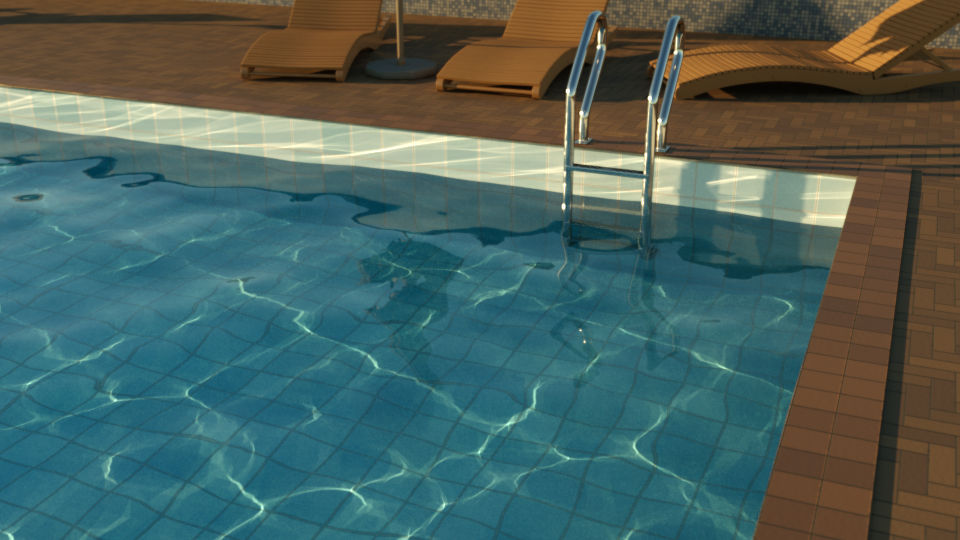
One less known but very very cool feature of LuxRender is the ability to use measured data from real materials. In the example below the color of the water was not selected from a color swatch. Instead a text file with data measured from actual water was used. You simply tell LuxRender to use that instead and Lux takes care of the rest.
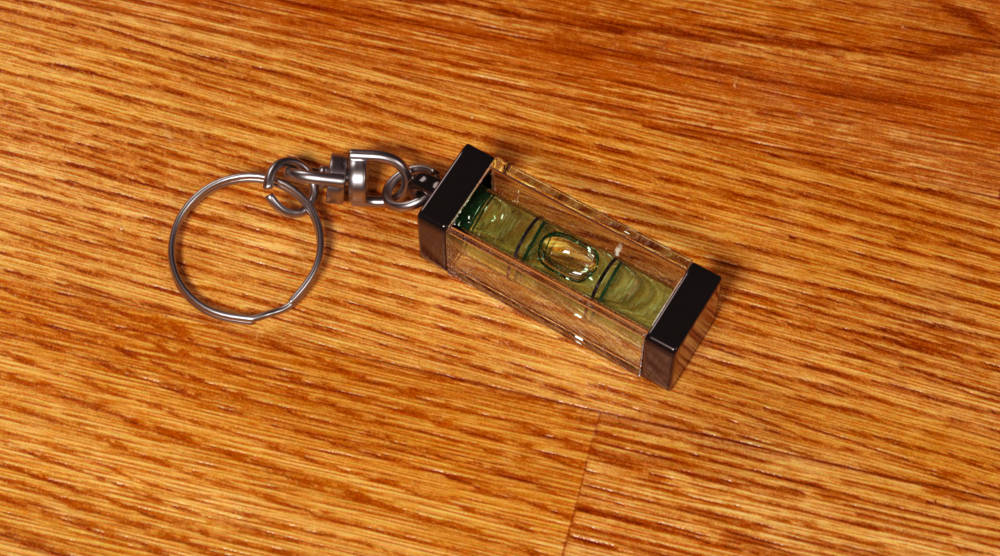
The purpose of this was to create something simple and quick, to get away from the long-term projects. It shows how to set up liquids inside a transparent object in LuxRender. These require a little work, but once you start “following” the light ray as it is traveling through each volume in turn it’s actually very easy to set up.
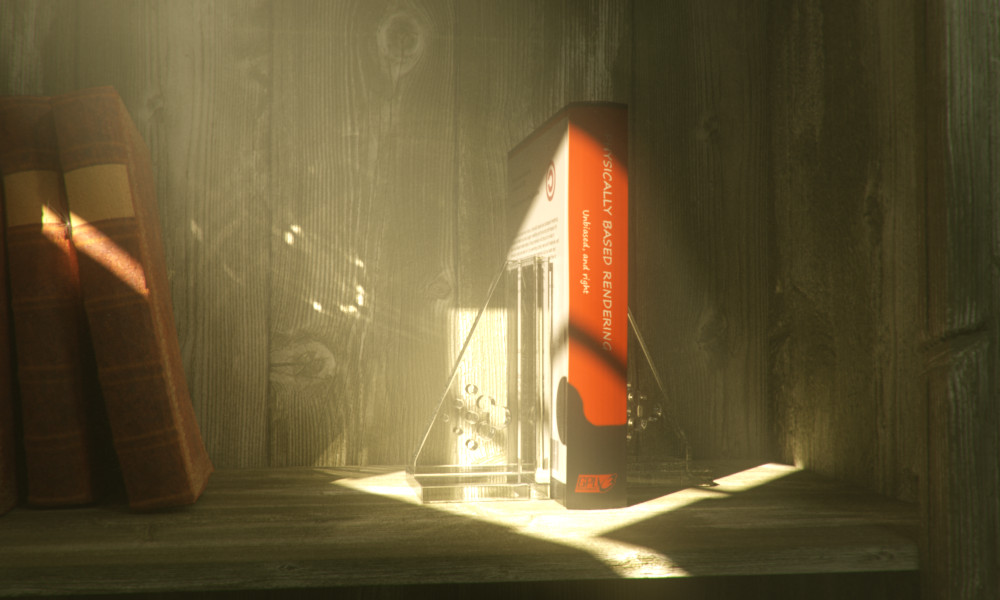
This was made for the LuxRender 1.0 splash screen competition. The idea was an fictional ultimate book about physically based and unbiased rendering. This book would be supported by LuxRender shown as book supports. Books about other older rendering techniques are obsolete and history.
It didn’t win but it got used for ver 1.2 instead.
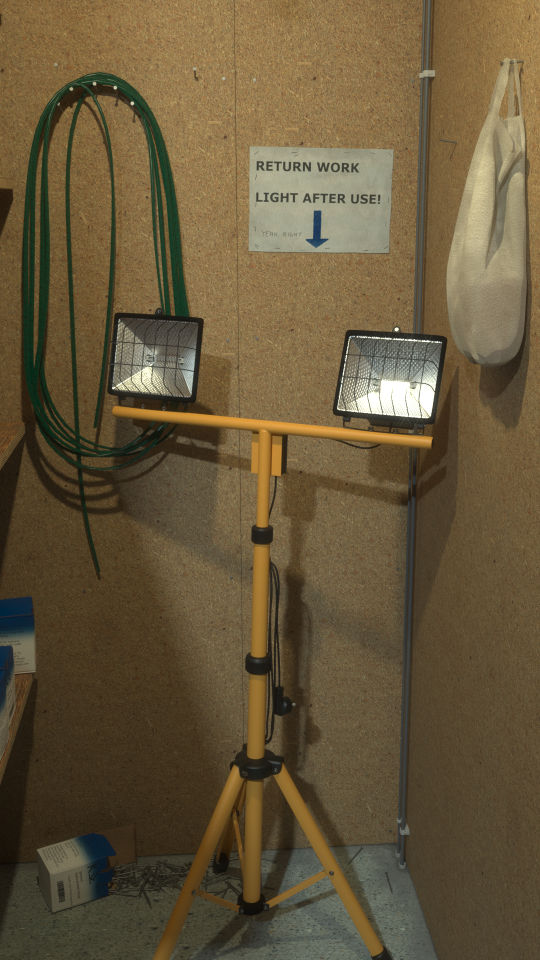
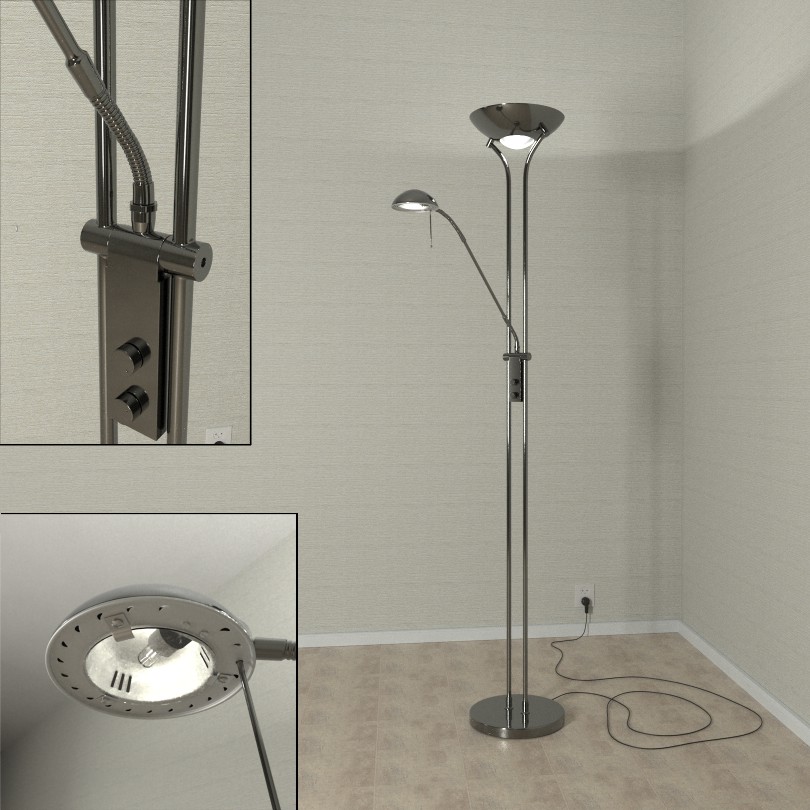
This work light was made for another scene but it turned out better than I thought it would so it deserved a scene of its own. Textures from Plaintextures.
Download .blend file here. Blender 2.63 and Luxrender 1.0
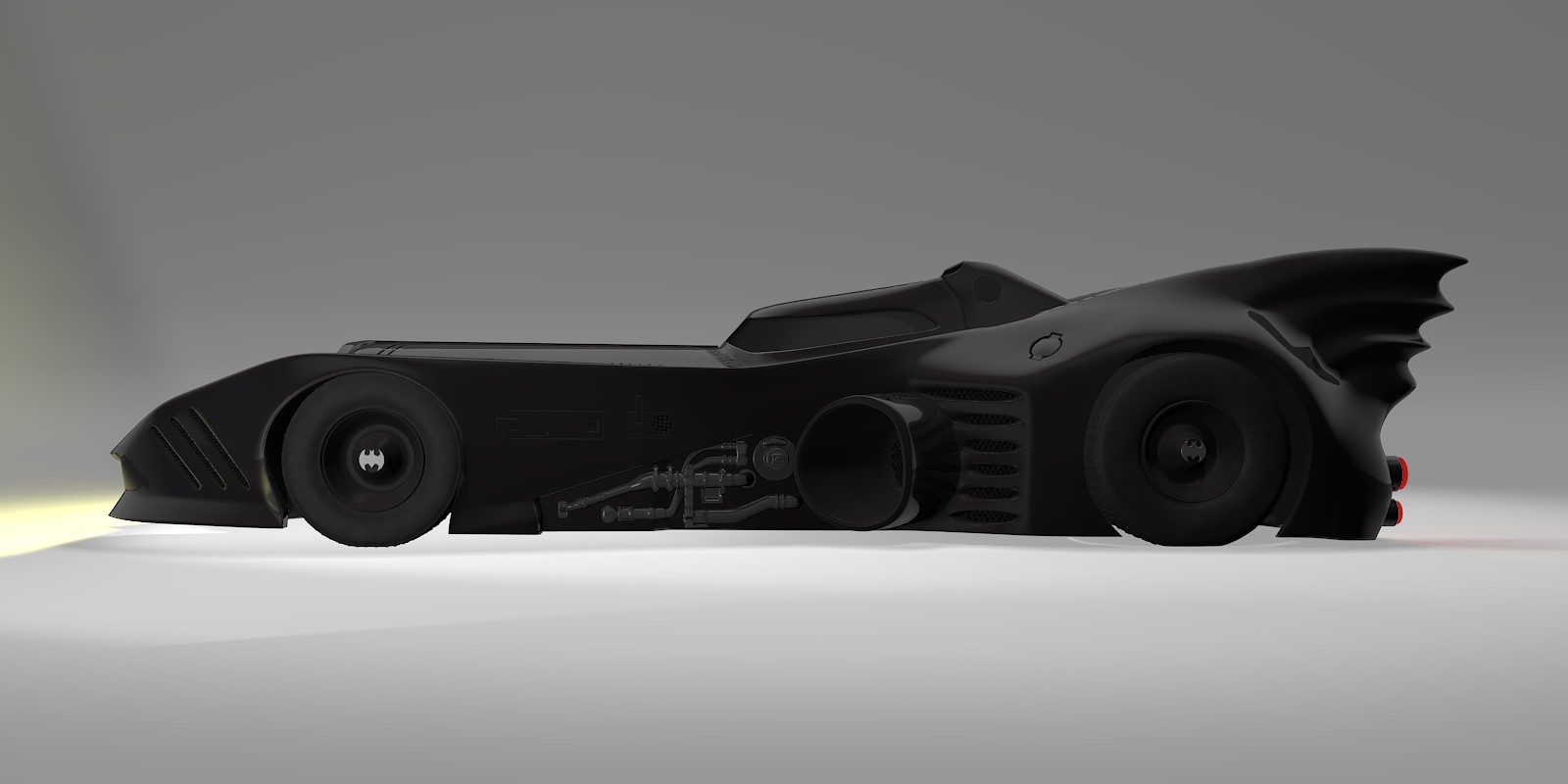
The Batmobile from the first two Batman movies, 1989 and 1992. The model is based on Bandai’s terrific 1:35 scale plastic model kit of the car so it has a little different look than the one in the movies. This was the very first serious model I did in Blender so topology and lighting (and everything else) is what it is. Blender 2.5 beta. Rendered with Blender internal.
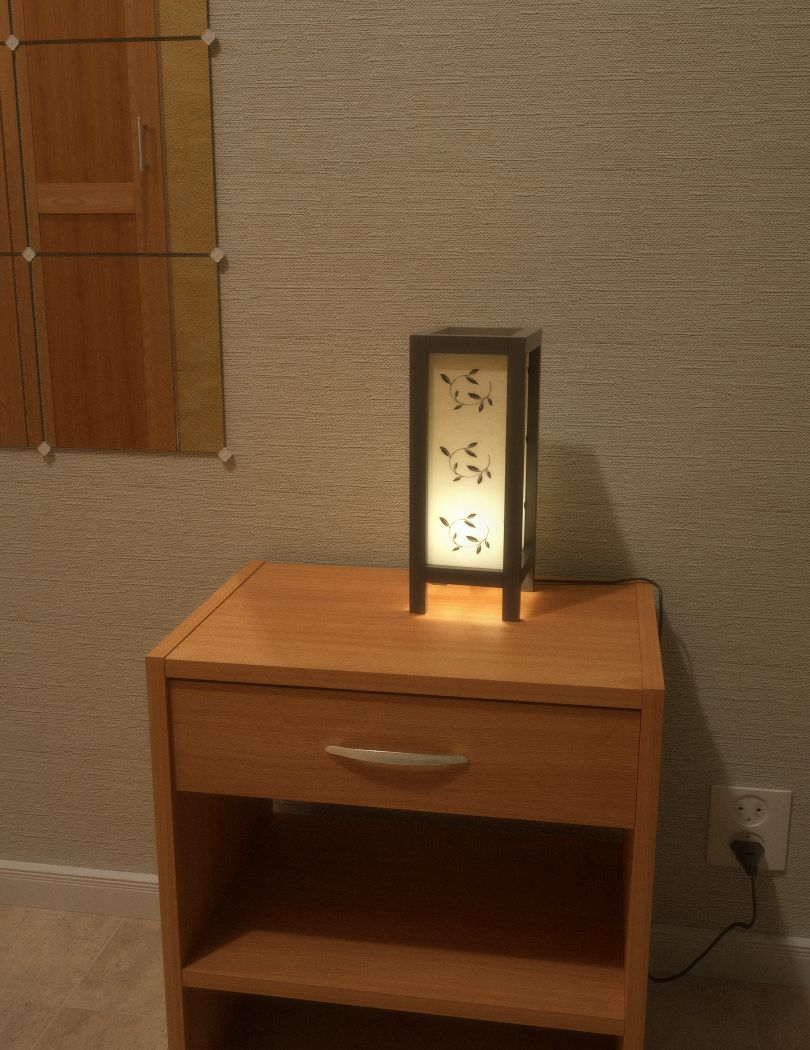
Japanese interiors are fascinating, aren’t they? Their neat rectangular forms are just beautiful.
I decided to model a simple Japanese style lamp and that resulted in this one here. I ended up doing a lot more work on the rest of the scene than on the lamp itself. Textures from Plaintextures.
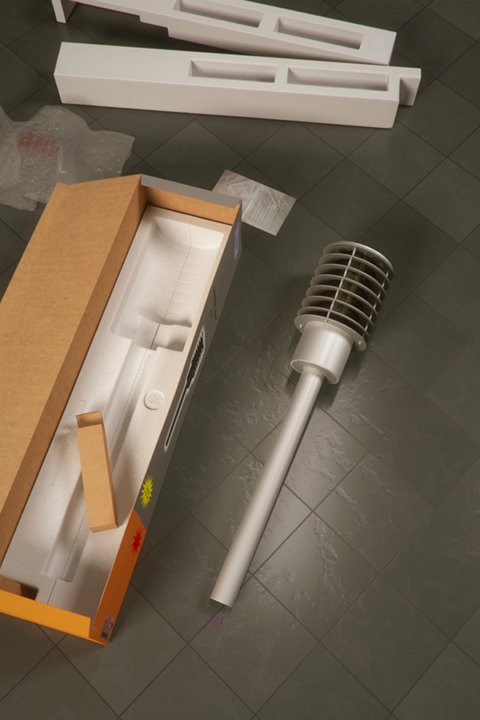
I was supposed to use this light post in another scene but I ended up removing it. I figured I’d create a scene for it, and this is it. The packaging was made just for fun to fill the scene. Some textures are from ImageAfter, the floor is Luxrender’s tile texture and the rest are created in Gimp.




 Piitas blog